Status Scope of services. Nothing on this site is a record of completed work.
Industries
Six sectors, and what each one does to the project: where the risk concentrates, what governs, and which parts of the work carry it.
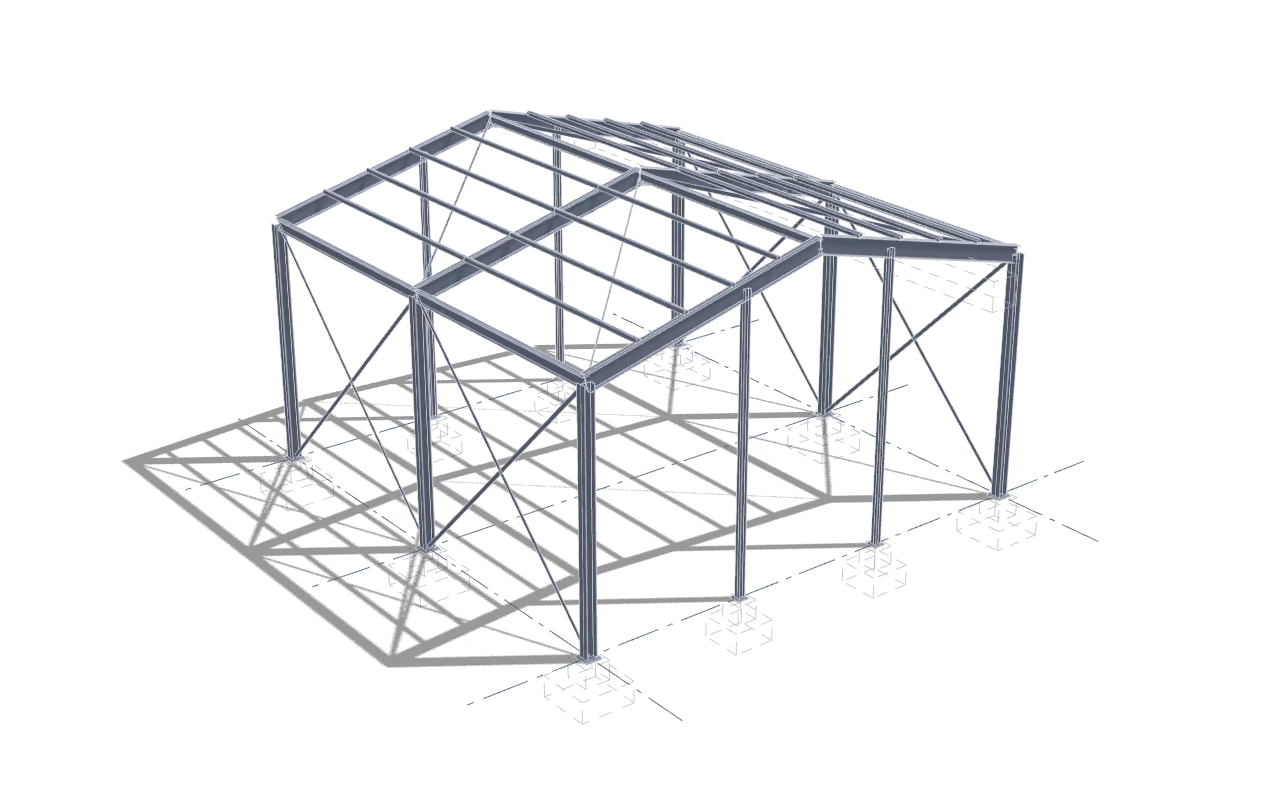
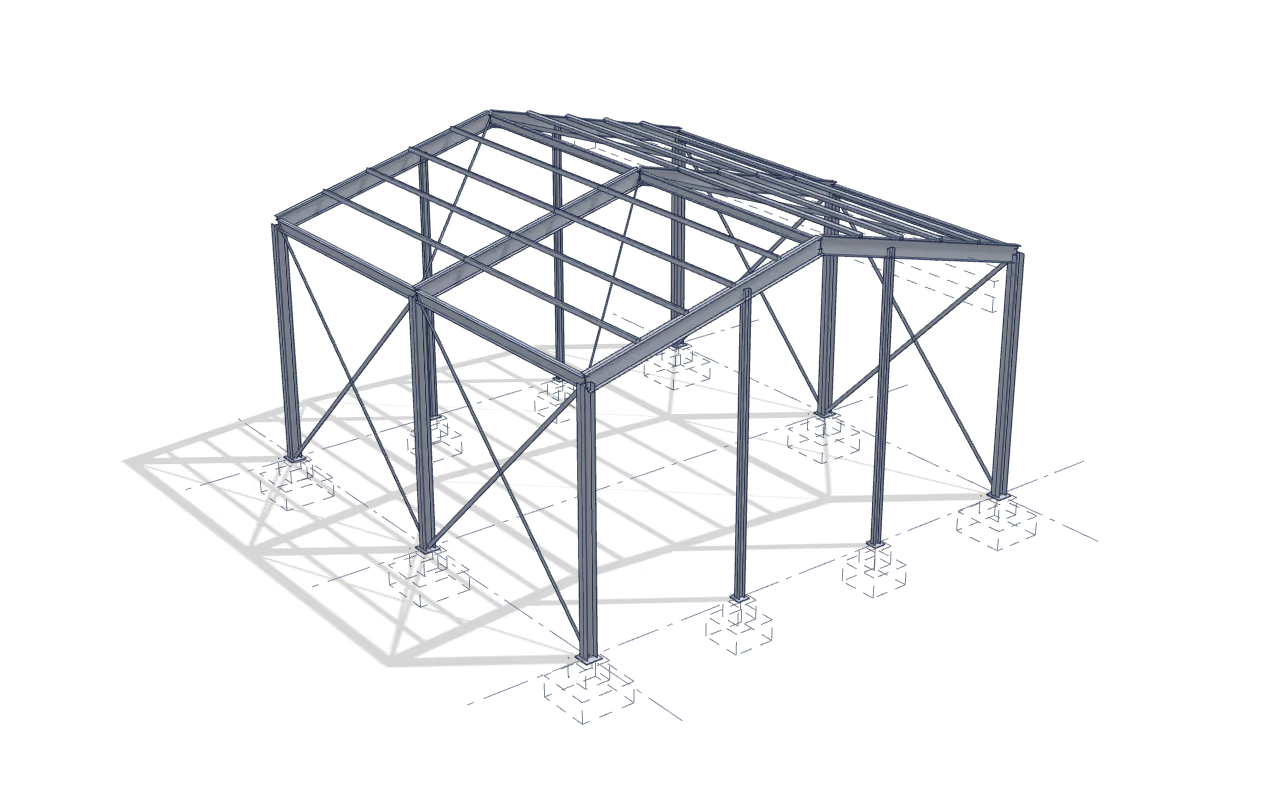
Where the difficulty actually is
The services are the same everywhere. What changes by sector is which of them decides the outcome, and what the governing document is when a code and a client specification disagree.
Commercial and mixed-use
Composite floors, braced cores and podium transfer structures, erected on sites with no room to stage.Sample cost-of-change curve by delivery phase. No values. Industrial and process plant
Pipe racks, equipment supports, platforms and access steel, built to a client specification rather than to a building code alone.Sample register with vendor rows not yet received. Energy and renewables
Substation gantries, module and cable support, and balance-of-plant structures — repetitive work where corrosion protection and freight sequence decide the outcome.Sample load plan, first article released. Infrastructure and bridges
Bridge and access steel, where the approving authority's own requirements sit on top of the governing code and the fabricator's approvals decide who may build it.Sample fatigue curve and inspection plan head. No values. Material handling
Conveyor galleries, transfer towers and crane runway steel, where the loads are dynamic and the equipment vendor's data arrives last.Sample load envelope and tolerance band. No values. Data centres
Plant platforms, generator and chiller yards, containment support and mezzanines — repeatable steel on a programme that does not move.Sample line of balance by release lot.
Tell us what you are building
The sector matters less than the specification. Send the scope, the governing standard and the date it has to be on site.